
Fairway Insights: Monthly Briefing for UK Golf Clubs
What’s Shaping UK Clubs Right Now
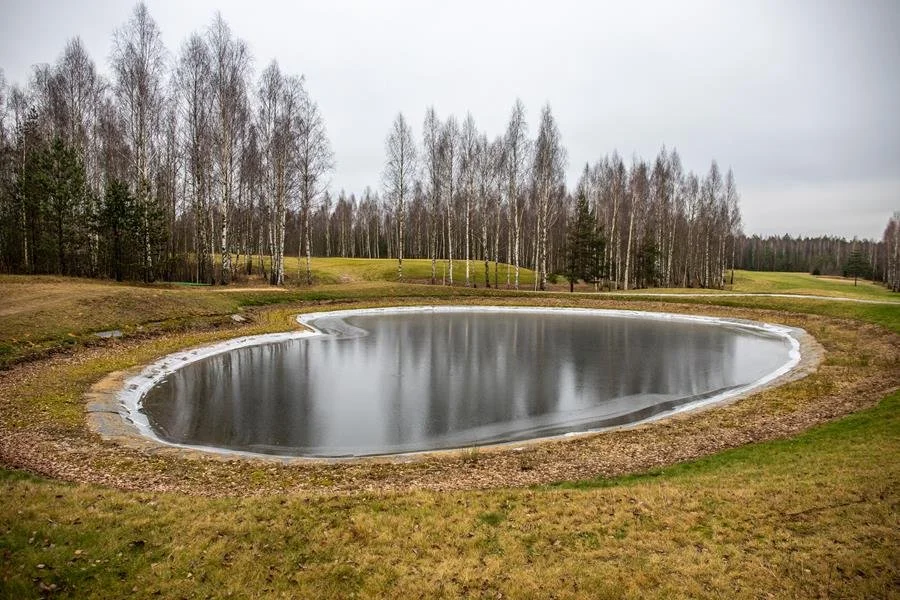
Relentless Rainfall and Course Management
The prolonged wet period across much of England has left many clubs battling saturated fairways, worn approaches and pressure on greenkeeping teams. While the winter plan always anticipates disruption, the sheer persistence of the rainfall is now testing:
carry-only policies,
the rotation of winter tees,
and members’ patience with temporary restrictions.
Clubs with robust drainage investment over the past decade are seeing those decisions pay off; older courses with clay-based soils are struggling most. The main operational challenge remains communication: explaining why certain holes or buggies are closed tends to matter more to members than the closure itself.

Visitor Revenues Under Pressure
After a strong 2022–23 and a resilient 2024, there are early signs that visitor green-fee demand is softening at many clubs. Disposable income pressures, higher fuel costs, and a fragmenting market (particularly in the South East) are encouraging golfers to price shop more aggressively.
Clubs with modernised dynamic pricing continue to outperform those sticking rigidly to fixed-rate models.

Rising Staff Costs in Clubhouse & F&B
The combination of National Minimum Wage rises, increased employer NI, and competition for hospitality staff means F&B margins are tightening again. Some clubs are starting to move towards smaller menus, reduced trading hours midweek, and sharper waste management. Others are rethinking the traditional “loss-leader catering” mindset.
The (Ongoing) Waitlist Question

A growing number of member-owned clubs are quietly reassessing the length and structure of their waiting lists. Eight-year waits that once looked like strength indicators now risk creating frustration and, in some cases, dropouts.
Key Trends Emerging:
a. Holding Fees and Confirmation Exercises
More clubs are asking waitlist applicants to reconfirm interest—often through a small refundable deposit. This has two benefits:
It removes dormant names,
and provides a clearer picture for planning future intakes.
b. Age-Band Balancing
A handful of clubs are prioritising younger categories to rebalance ageing membership profiles. This tends to be politically delicate, but financially and strategically sound.
c. “Soft Caps” on Membership Categories
Several clubs are trialling soft caps rather than absolute limits—offering flexibility to manage peak-time congestion without unnecessarily restricting income.
What Clubs Are Actually Doing
Across Surrey, Kent, Sussex, Berkshire and the Midlands, three operational themes keep coming up:
More Rigorous Winter Planning
Greenkeeping teams are building more contingency into their winter programmes—anticipating extreme rainfall as the default, not the exception. The most forward-thinking clubs are investing in:
extra walk-off mats,
improved drainage lines on high-traffic areas,
more resilient winter tee complexes.
Tech Consolidation
After years of ad-hoc digital adoption, many clubs are now simplifying rather than adding systems. ClubV1 remains the core for most, but there is growing interest in:
visitor-pricing tools,
CRM/light marketing automation,
member communications platforms that reduce admin load.
More Active Governance
Committees and boards are becoming more hands-on in strategic issues:
membership shape, joining policies, F&B viability, capital planning, and course investment prioritisation. There is a sense—especially at member-owned clubs—that long-term resilience requires more professional decision-making than the traditional volunteer model allowed.

Quick Wins for Managers & Committees
Audit Visitor Pricing for 2025
Even modest adjustments to peak/off-peak differentials and weather-based demand can increase visitor yield by 5–12%.
Communicate Winter Decision-Making Clearly
A simple weekly bulletin—“Here’s what we planned, here’s what we achieved, here’s why it changed”—dramatically cuts complaints.
Track Dropout Risk on Long Waitlists
Anyone who hasn’t engaged in 12+ months should be proactively contacted.
Revisit F&B Cost Structures
If wage increases outpace menu prices, margins silently erode. A data-light menu review can restore profitability quickly.
Looking Ahead: December & Early 2025
The next few months will likely be shaped by:
Weather volatility — expect more drainage stress, course closures and a need for agile member communications.
Budget uncertainty — VAT discussions on golf membership continue to circulate, creating anxiety.
Growing scrutiny on governance — clubs with unclear committee structures may find decision-making increasingly difficult.
Visitor demand reset — bookings may remain fragile into the early months of 2025.
For clubs that get their winter communication, value narrative, and visitor strategy right, 2025 still offers growth potential—even if it won’t be the “demand-at-all-costs” environment of the post-COVID years.